Solar News
December 15, 2025
Australia's Revised Solar Rebate Program: What You Need to Know
Explore Australia's revised 2025 solar rebate program, offering bigger incentives for households and businesses to adopt solar panels and battery storage. Learn about eligibility.
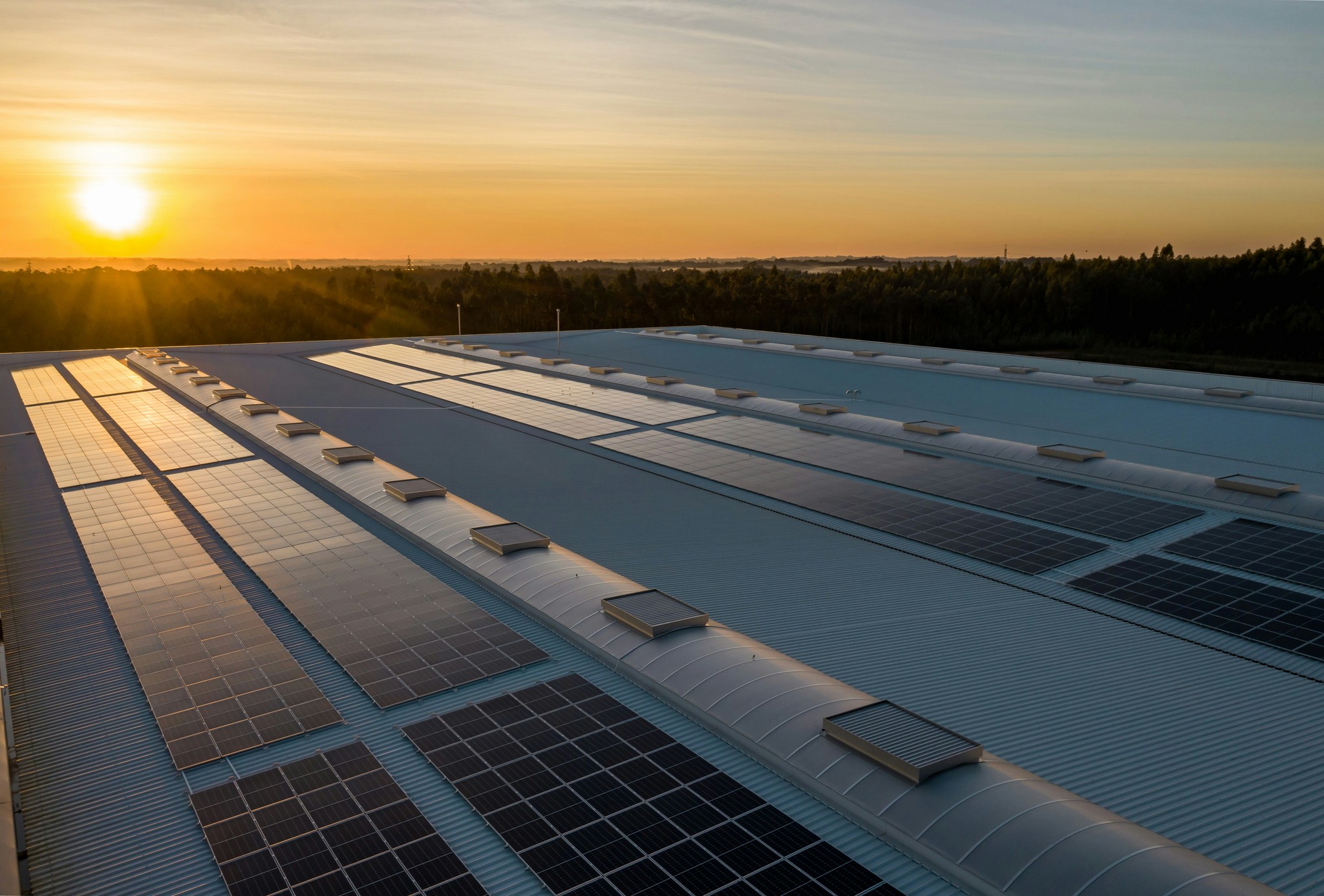
Solar and Battery Rebates 2026: Your Complete Guide
Last updated: January 2026
Are you considering solar panels or battery storage for your home or business in 2026? Understanding the available rebates and incentives can make a significant difference to your investment. At Impressd Consulting, we've compiled this comprehensive guide to help you navigate the federal and state-based solar and battery rebates available this year.
The Federal Solar Panel Rebate: What You Need to Know
The Australian government's Small-scale Renewable Energy Scheme continues to provide substantial savings for solar installations in 2026. While the rebate is gradually reducing as it approaches its scheduled end date of December 31, 2030, significant savings are still available for those who act now.
How the Rebate Works
When you install a solar panel system, you receive Small-scale Technology Certificates (STCs) based on your system's expected energy production through to 2030. These certificates are traded on an open market, typically valued between $37 and $40 each. Your installer handles all the paperwork and deducts the rebate value from your upfront cost.
Key factors affecting your rebate:
System size
Geographic location (areas with more sunshine receive more STCs)
Number of years remaining until 2030
2026 Rebate Values by System Size
For a typical residential installation, here's what you can expect:
New South Wales, Queensland, South Australia & Western Australia:
6.6kW system: approximately $1,800
8kW system: approximately $2,200
10kW system: approximately $2,760
Victoria & Tasmania:
6.6kW system: approximately $1,560
8kW system: approximately $1,880
10kW system: approximately $2,360
Northern Territory:
6.6kW system: approximately $2,000
8kW system: approximately $2,440
10kW system: approximately $3,040
Important: The Rebate is Decreasing
Each year that passes means fewer STCs are issued, reducing the rebate value. Waiting until 2027 could cost you several hundred dollars in lost rebate value. For example, delaying a 6.6kW system installation in Queensland by one year could reduce your rebate by approximately $360.
State-by-State Incentives for 2026
New South Wales
NSW offers multiple incentives to complement the federal rebate:
Battery Storage:
VPP (Virtual Power Plant) rebate: $400 to $1,500 for eligible battery installations
Energy Efficiency:
Energy Savings Scheme: Discounts on upgrading lighting, air conditioning, hot water systems, and pool pumps
Low Income Electricity Rebate: Up to $313.50 for eligible concession card holders
Feed-in Tariffs:
4c to 10c per kWh (varies by retailer)
Victoria
The Victorian government provides some of Australia's most generous solar incentives:
Solar Panel Rebate:
Up to $1,400 for new solar systems
Up to $1,400 for upgrading systems over 10 years old
Interest-free loans available up to $1,400
Rental Properties:
Up to $1,400 per property (maximum two per financial year)
Interest-free loans available
Additional Incentives:
Hot water rebate: Up to $1,400 for heat pumps and efficient hot water systems
Victorian Energy Upgrades (VEU) program: Discounts on energy-efficient appliances and systems
Feed-in Tariffs:
1.0c to 11c per kWh (retailer-dependent)
Queensland
Queensland's sunny climate makes solar an excellent investment:
Federal Rebate:
Full federal STC rebate available
Higher rebate values due to increased sunshine hours
Community Programs:
Community Solar Banks program in Townsville and Caloundra for eligible residents
Feed-in Tariffs:
South-east Queensland: Retailer-set rates
Regional Queensland: Flat rate of 8.66c per kWh
Western Australia
WA has introduced a significant battery incentive:
Battery Storage:
Up to $7,500 rebate for eligible households installing battery systems
Feed-in Tariffs:
Perth: 2.0c per kWh (off-peak), 10.0c per kWh (peak)
Regional WA: Slightly higher rates depending on location
South Australia
SA offers targeted incentives, particularly in the City of Adelaide:
City of Adelaide Residents:
Residential Solar Rebate for concession card holders and rental properties
Commercial Solar Rebate: 20% up to $1,000 for systems up to 20kW
Appliance Electrification Rebate: 50% up to $2,000 for replacing gas/wood appliances
EV Charging Station Rebate: Up to $2,000
Feed-in Tariffs:
2c to 10c per kWh (retailer-dependent)
Australian Capital Territory
The ACT offers comprehensive energy support:
Home Energy Support Rebate:
Up to $2,500 for eligible concession card holders
Covers solar systems, heating/cooling, hot water heat pumps, electric cooking, and insulation
Sustainable Household Scheme:
Low-interest loans (3%) up to $15,000
Covers battery storage, energy upgrades, and electric vehicles
Electric Vehicles:
Two years free registration
No stamp duty on low and zero-emission vehicles
Feed-in Tariffs:
4c to 10c per kWh (retailer-dependent)
Tasmania
Federal Rebate:
Full federal STC rebate available
Feed-in Tariffs:
Locked in at 8.782c per kWh until June 2026
Note: Tasmania's Energy Saver Loan scheme has now closed.
Northern Territory
The NT offers attractive incentives in selected areas:
Battery Scheme:
Currently closed for new applications
Previously offered up to $5,000 for battery and inverter installations
Electric Vehicles:
Free registration for new and used EVs
Up to $1,500 stamp duty concession
Up to $1,000 grant for home charger installation
Feed-in Tariffs:
9.33c to 18.66c per kWh (some of Australia's highest rates)
Eligibility Requirements
To claim the federal solar rebate, your installation must meet these criteria:
System under 100kW capacity
Designed by a Solar Accreditation Australia (SAA) accredited designer
Installed by an SAA accredited installer
Panels approved by the Clean Energy Council (CEC)
Inverter approved by the CEC
STCs claimed within 12 months of installation
Compliant with Australian and New Zealand standards
Meets all local, state, and federal requirements
Why Act Now?
The federal solar rebate is on a countdown to 2030. Each year you wait means:
Lower rebate values as fewer years remain in the scheme
Higher upfront costs as rebates continue to decrease
Delayed energy savings from lower electricity bills
Missed feed-in tariff income from excess solar generation
For a typical 6.6kW system, the difference between installing in 2026 versus 2027 could be several hundred dollars in lost rebate value.
Empower Your Solar Sales Team with Expert Knowledge
At Impressd Consulting, we provide professional sales representatives to solar companies across Australia. This comprehensive rebate guide is a resource for solar businesses and their sales teams to help communicate value to customers effectively.
Understanding rebates and incentives is crucial for:
Accurately presenting total cost savings to potential customers
Explaining the urgency of acting now as rebates decrease annually
Navigating state-specific incentives confidently
Answering customer questions about eligibility and savings
Closing sales with complete transparency
Why Solar Companies Partner with Impressd Consulting
Our sales representatives are thoroughly trained on:
Federal and State Rebate Programs
Current STC values and calculations
State-by-state incentive programs
Eligibility requirements and application processes
Effective Sales Communication
Presenting total cost of ownership
Demonstrating return on investment timelines
Explaining feed-in tariff benefits
Customer Engagement
Communicating complex rebate mechanisms clearly
Addressing common objections and concerns
Building trust through knowledgeable, professional service
The Solar Sales Opportunity in 2026
The solar industry continues to experience strong growth, driven by:
Decreasing rebate values creating urgency among customers
Rising energy costs making solar more attractive
Increased environmental awareness driving demand
Improved technology delivering better ROI
With the federal rebate decreasing annually and scheduled to end in 2030, customers who delay are losing money. Professional sales representatives who understand and can clearly communicate this urgency are essential to converting leads into installations.
Impressd Consulting Sales Representation Services
We provide solar companies with:
Fully trained sales professionals who understand the technical and financial aspects of solar
Up-to-date knowledge on all federal, state, and local incentives
Professional representation that enhances your brand reputation
Flexible engagement models to suit your business needs
Proven sales strategies tailored to the Australian solar market
Our representatives become an extension of your team, equipped to guide customers through their solar journey from initial inquiry to installation.
For Solar Companies: If you're looking to scale your sales team with professionals who understand the complexities of solar rebates and can communicate value effectively to customers, Impressd Consulting can help drive growth for your business.
Contact us today to discuss how our sales representatives can strengthen your team.
Impressd Consulting provides professional sales representation services to solar companies across Australia. We help solar businesses grow by connecting them with skilled sales professionals who understand the industry and can deliver exceptional customer experiences.
Share Article
About Impressd
We’re not just coaches. We’re strategic partners for business owners, founders, and teams who are ready to move with clarity, structure, and momentum.
At Impressd, we believe effective leadership isn’t about doing more — it’s about doing what matters with focus and intention. That’s why we bring coaching, consultancy, and executional insight together under one roof.
Sales Enquiry 🎯
For new enquiries, reach out to us via WhatsApp for direct responses, or for longer enquiries, shoot us an email.
More from Impressd Newsroom